In the current fast-paced and unpredictable landscape, it is essential for businesses to diligently prepare for unexpected challenges that may disrupt operations, particularly in the area of customer support. Emergencies can arise without warning from a multitude of sources, including natural disasters, cyber-attacks, or global pandemics. developing a robust emergency response management plan is crucial to ensure operational continuity and to uphold exceptional customer support, even during trying circumstances.
Recognising the Vital Importance of Emergency Response Management for Business Resilience
Emergency response management encompasses a systematic approach to recognising potential risks, crafting strategies to mitigate these risks, and executing effective responses when emergencies arise. Within the framework of customer support, this requires meticulous planning and resource organisation to ensure that service delivery remains consistent and customer satisfaction is maintained, even amidst crises.
Numerous compelling reasons exist for implementing a robust emergency response management system:
- Maintaining Customer Trust: During emergencies, customers often experience heightened levels of anxiety and uncertainty. By showcasing preparedness and a well-defined response strategy, businesses can instil confidence in their customers, thereby reinforcing their trust.
- Reducing Downtime: Interruptions in customer support can have severe repercussions, including lost sales, diminished customer loyalty, and a tarnished reputation. A well-structured emergency response plan aids in minimising downtime, ensuring that customer inquiries and concerns are addressed swiftly.
- Prioritising the Safety and Well-being of Employees: A comprehensive emergency response management plan prioritises the safety and welfare of customer support staff. By offering clear guidelines and protocols, businesses can ensure that employees are well-prepared to manage emergencies while safeguarding their own safety.
Essential Elements of an Effective Emergency Response Management Plan
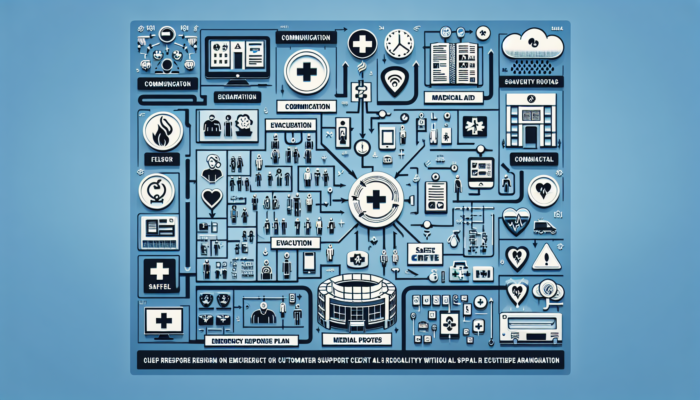
Crafting an emergency response management plan tailored to your organisation’s specific requirements is of utmost importance. Although the particulars may differ by industry, the following components are generally essential for effective emergency response in customer support:
1. Comprehensive Risk Assessment and Analysis
To develop a thorough emergency response management plan, it is vital first to identify potential risks and vulnerabilities that could adversely affect your customer support operations. This analysis should encompass internal factors such as technology failures and staffing shortages, as well as external threats like natural disasters and cyber risks. Conducting an in-depth risk assessment will allow you to evaluate the likelihood and potential consequences of each identified risk.
2. Extensive Emergency Preparedness Training
Once potential risks have been identified, it is crucial to ensure that all members of the customer support team undergo thorough training on emergency protocols and procedures. This training should encompass a variety of scenarios, equipping employees with the essential skills to manage emergencies effectively. Regular drills and simulations can further reinforce this training, ensuring that all personnel are fully prepared.
3. Crafting an Effective Communication Strategy

Establishing a clear and effective communication plan is vital for a successful emergency response within customer support. This strategy should delineate protocols for informing customers about service interruptions, providing timely updates on the situation, and directing them to alternative support options if necessary. Utilising multiple communication channels, such as email, social media, and website notifications, is essential for effectively reaching customers.
4. Implementing Redundancy and Backup Systems
Incorporating redundancy measures and backup systems is crucial to ensuring that customer support operations can continue smoothly, even in the event of infrastructure failures or other disruptions. It is advisable to invest in backup power sources, redundant network connections, and cloud-based customer support platforms. Regular testing and updates of these systems will ensure they remain effective and dependable.
5. Promoting Cross-Training and Strategic Resource Allocation
Encouraging cross-training among customer support personnel is vital for enhancing flexibility and responsiveness during emergencies. By broadening individual skill sets, employees can manage various tasks and responsibilities as needed. strategically allocating resources will enable the team to effectively address critical areas or high-priority customer inquiries during emergency situations.
6. Establishing a Formal Incident Reporting and Analysis Process

Creating a formalised process for documenting and analysing incidents that occur during emergencies is essential. This practice allows businesses to pinpoint areas needing improvement, evaluate the effectiveness of their response strategies, and implement necessary adjustments for future incidents. Regularly reviewing and updating the emergency response plan based on these evaluations is critical for ongoing enhancement.
Adopting Best Practices for Superior Emergency Response Management
To bolster the effectiveness of your emergency response management initiatives, consider integrating the following best practices:
- Conduct Regular Reviews and Updates of the Response Plan: Periodically assess and revise your emergency response plan to reflect advancements in technology, personnel changes, or updates in operational processes. Keeping the plan current ensures that all employees are familiar with the latest protocols.
- Encouraging Collaboration and Coordination: Foster strong collaboration between customer support and other organisational departments. Coordinating efforts guarantees a unified response during emergencies and promotes the sharing of valuable insights and information.
- Promoting Continuous Training and Development: Advocate for ongoing training and education for customer support team members. Staying informed about emerging risks, industry trends, and best practices in emergency response management enables businesses to adapt their plans as necessary.
- Building External Partnerships: Establish partnerships or collaborate with external organisations that specialise in emergency response management. Their expertise, resources, and support during crises can significantly enhance your overall response capabilities.
- Conducting Regular Testing and Drills: Implement routine drills and simulations to assess the effectiveness of your emergency response plan. These exercises help identify potential gaps or weaknesses and provide opportunities for necessary adjustments and improvements.
The Significance of Emergency Preparedness in Customer Support
In the domain of customer support, readiness for emergencies is a cornerstone of ensuring operational continuity, preserving customer satisfaction, and safeguarding your business’s reputation. By implementing a comprehensive emergency response management plan that includes risk assessment, training, communication strategies, and redundancy systems, businesses can adeptly navigate any crisis and deliver outstanding support to their customers, even in challenging situations. It is vital to remember that preparation is paramount, and investing in emergency response management equates to investing in the resilience and long-term success of your organisation.
1. Why is emergency response management integral to customer support?
Emergency response management is crucial in customer support as it enables businesses to sustain customer trust, minimise downtime, and prioritise employee safety and well-being. By preparing adequately for emergencies, businesses can instil confidence in their customers, swiftly address inquiries and issues, and ensure the safety of their customer support teams.
2. What are the key components of an emergency response management plan in customer support?
The fundamental components of an emergency response management plan in customer support include:
- Risk assessment and analysis to identify potential risks and vulnerabilities
- Emergency preparedness training to equip customer support teams with essential skills
- Communication plan for informing customers and providing updates
- Redundancy and backup systems to ensure uninterrupted operations
3. What best practices should be followed for emergency response management within customer support?
The best practices for emergency response management in customer support include:
- Regularly reviewing and updating the emergency response plan
- Encouraging collaboration and coordination across departments
- Promoting continuous training and education for customer support teams
- Establishing partnerships with external organisations for additional support
- Conducting regular testing and drills to identify potential gaps or weaknesses
4. Why is ongoing training and education vital in emergency response management?
Ongoing training and education are essential in emergency response management as they empower customer support teams with updated knowledge about emerging risks, industry trends, and best practices. By remaining informed, businesses can adapt their emergency response plans accordingly and enhance their overall readiness and response capabilities during emergencies.
Originally posted 2023-04-22 09:52:13.
The post Emergency Response Management: Customer Support On Standby appeared first on Healthcare Marketing Service.